Greek Easter is not just a religious holiday.
It’s a powerful mix of faith, family, community… and a lot of food.
If you really want to understand Greece, you need to experience Easter.
In this post, we’ll explore the most important Greek Easter traditions.
The Fast Before the Feast
Before the celebration comes preparation.
And in Greece, preparation often means… fasting.
The Easter fast lasts for 40 days (Lent), but let’s be honest — most people follow it strictly only during Holy Week.
So what does fasting mean?
- No meat
- No dairy
- No eggs
- (Yes… no feta 😅)
On Good Friday, many people go even further:
No oil, just very simple food.
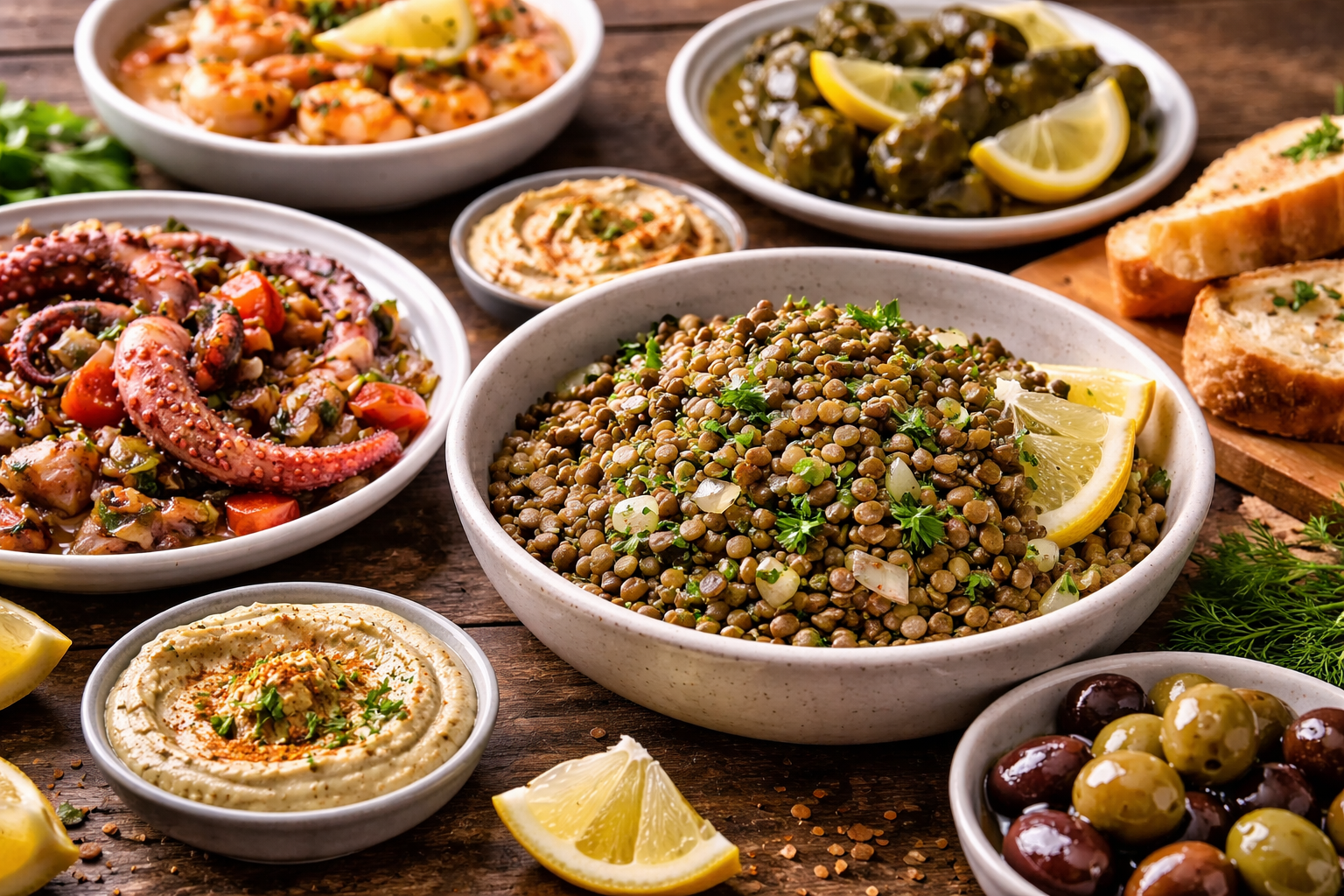
So what do Greeks eat?
- Seafood (octopus, shrimp, squid)
- Legumes (lentils, chickpeas)
- Vegetable dishes (like stuffed tomatoes & beans)
- Olives, bread, tahini
- And of course… halva
But fasting isn’t really about food.
It’s about discipline, patience, and reflection.
Imagine walking past a Gyros Store…
and going home to eat plain lentils.
That’s when your faith is really tested.
Holy Week: A Journey of Emotions
Holy Week is not just preparation.
It’s a journey.
Each day represents a different moment from the Passion of Christ.
Early Days (Monday–Wednesday)
Quiet, reflective, emotional.
People attend evening services and listen to hymns like “Behold the Bridegroom…”
Holy Thursday
- The Crucifixion is remembered
- The 12 Gospels are read
- And… we dye the eggs red (more on that soon)
Good Friday
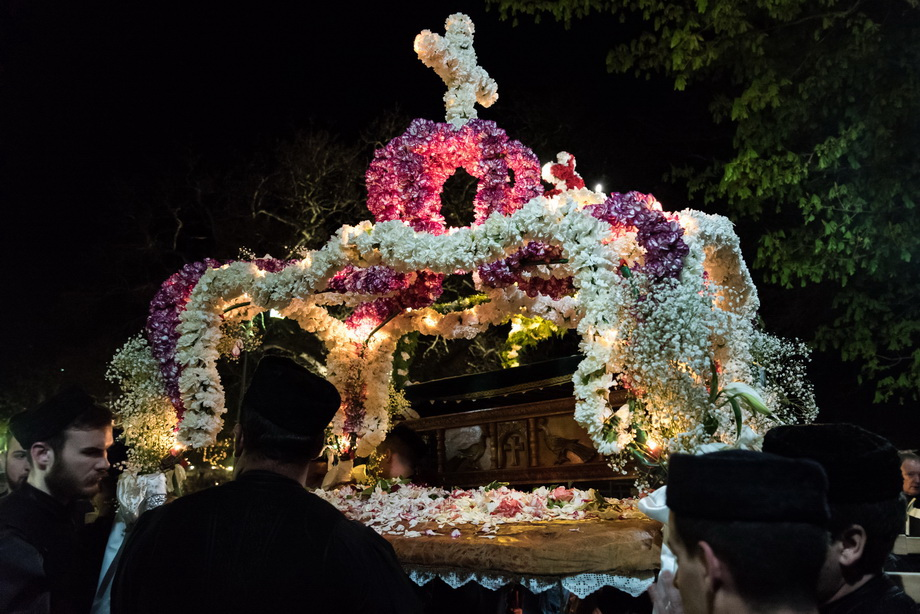
The most emotional day.
- The body of Christ is placed in the Epitaphios (a flower-decorated bier)
- People visit churches to pay respect
- At night, the procession takes place through the streets
Candles, silence, and a deeply powerful atmosphere.
Holy Saturday
From sadness… to anticipation.
In the morning:
- The priest throws bay leaves
- People make noise to “drive away death”
At midnight:
👉 Everything changes.
Darkness turns into light.
The Red Eggs Tradition
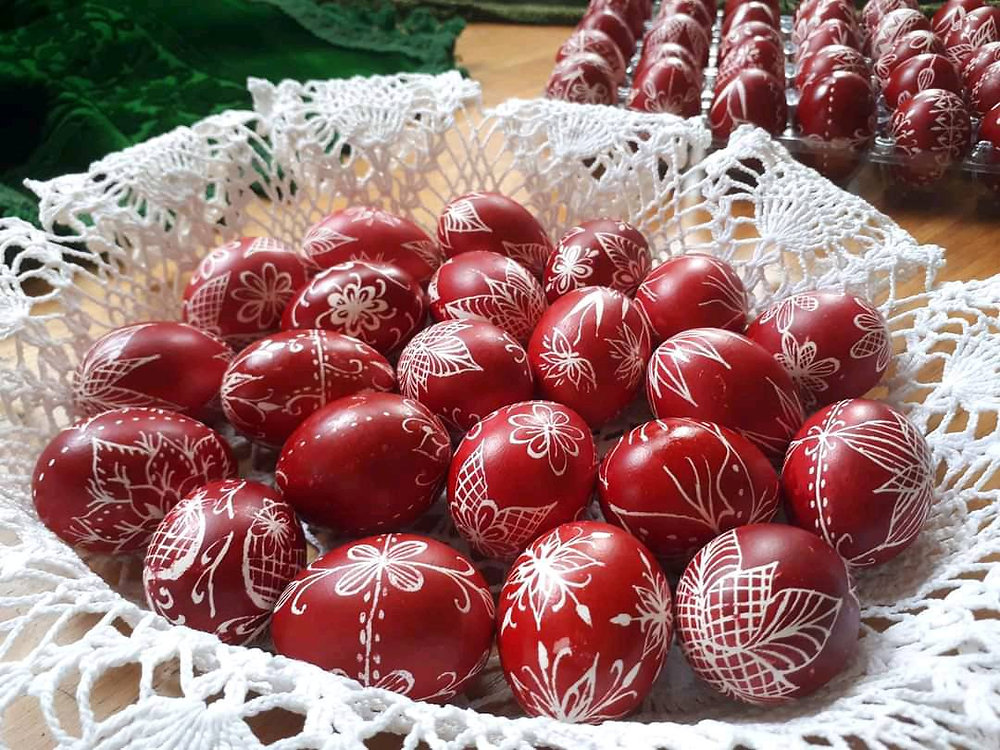
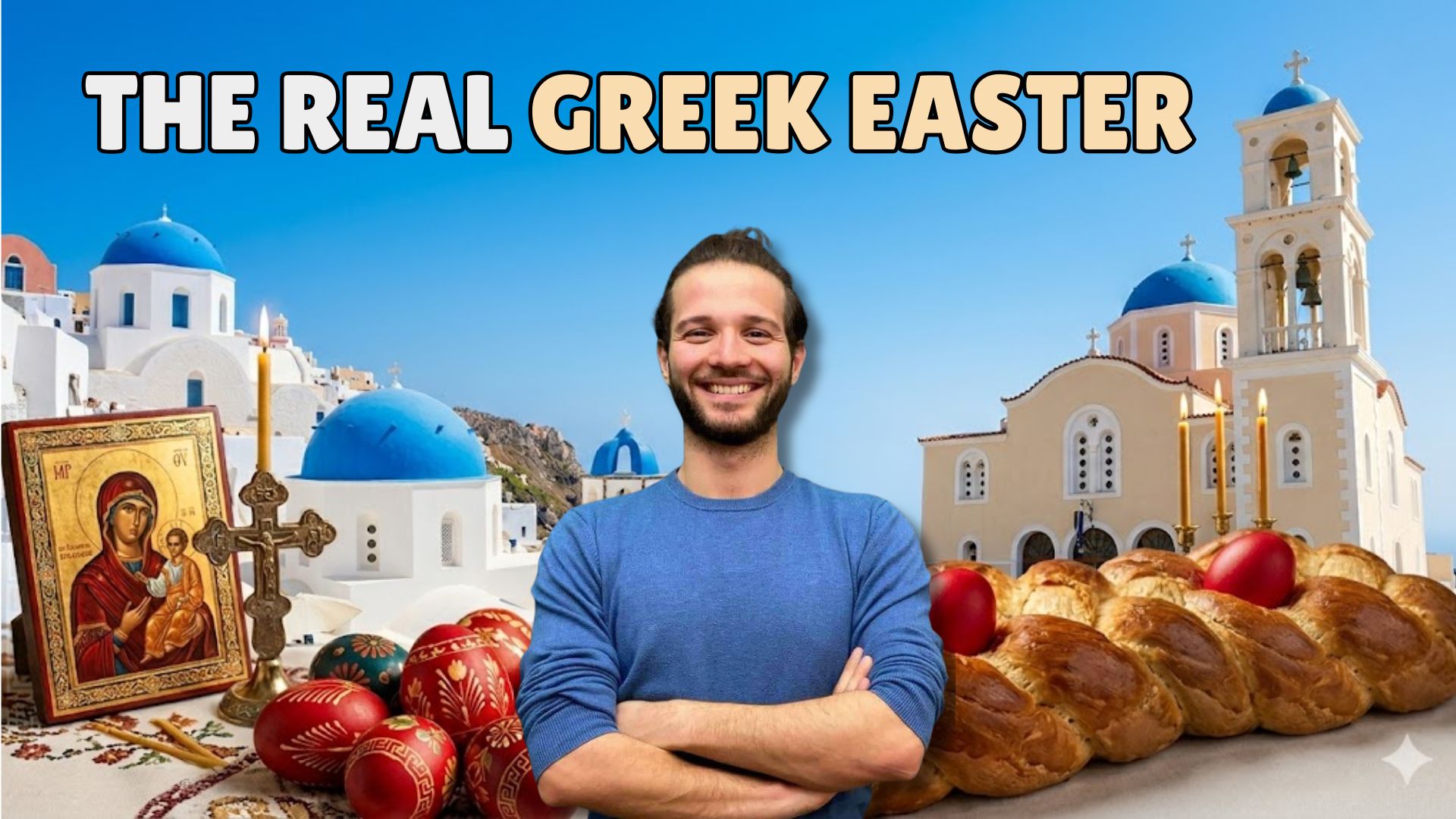
On Holy Thursday, every Greek kitchen turns… red.
Red eggs symbolize:
- The blood of Christ
- The rebirth of life
And also… red fingers if you don’t use gloves
If you enjoy learning Greek through real traditions, stories, and everyday life,
This is exactly how we teach at Glossonauts. You can book a Free Greek Trial Lesson here.
The Resurrection Night
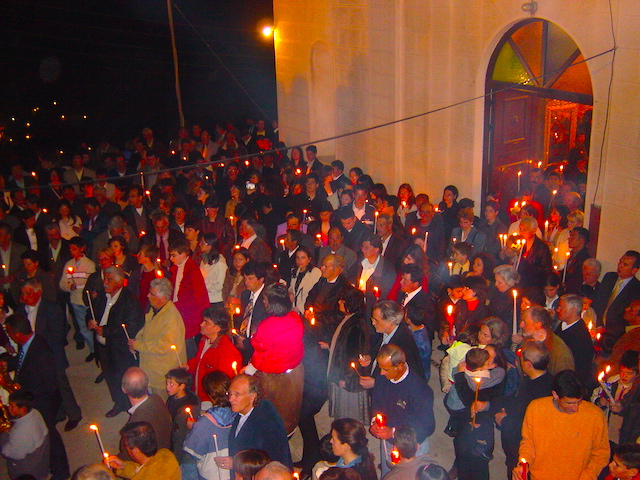
Late on Holy Saturday night, everyone gathers at church.
- Lights go off
- Candles are lit with the Holy Light from Jerusalem
- And at midnight…
👉 “Christos Anesti!” (Christ is Risen!)
Hugs. Kisses. Joy.
And suddenly…
💥 Fireworks everywhere.
(Not always a great idea… but very Greek 😅)
Magiritsa: The Midnight Soup
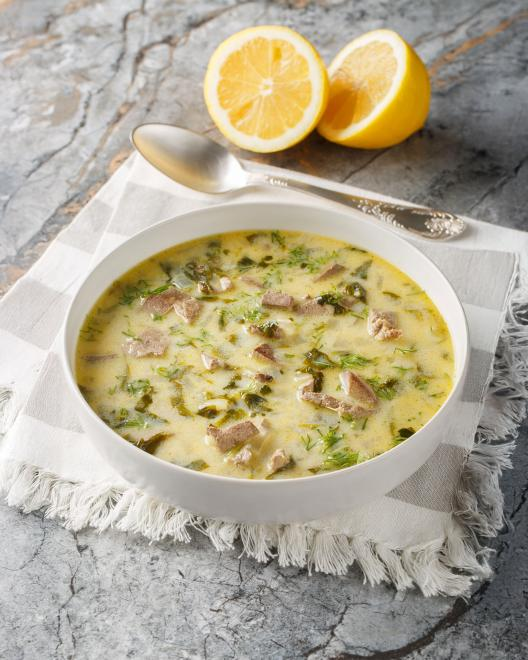
After church, at around 1 AM…
Greeks eat magiritsa.
A traditional soup made with:
- lamb offal
- herbs
- egg-lemon sauce
It prepares your stomach for the next day.
You either love it…
or you really don’t 😄
The Egg Battle (Tsougrisma)
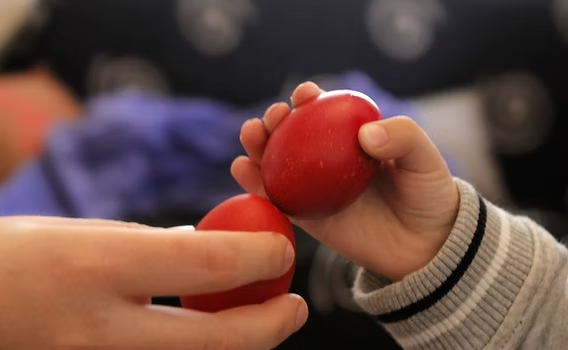
At the same table, the game begins.
You take your red egg and crack it against someone else’s.
👉 The goal: don’t break yours.
The winner?
The luckiest person of the year.
Easter Sunday: The Ultimate Greek Feast
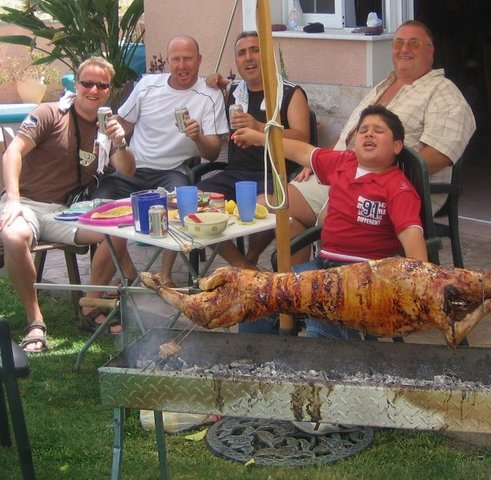
Greek Easter Sunday = celebration at full volume.
- Lamb on the spit
- Kokoretsi
- Music, dancing, laughter
- Wine or tsipouro
And most importantly…
❤️ Family.
This is one of the most important days of the year in Greece.
Essential Greek Easter Vocabulary
Πάσχα – Easter
Ανάσταση – Resurrection
Μεγάλη Εβδομάδα – Holy Week
λαμπάδα – candle
Επιτάφιος – Epitaphios
κόκκινο αυγό – red egg
τσούγκρισμα – egg cracking game
νηστεία – fasting
μαγειρίτσα – Easter soup
αρνί – lamb
εκκλησία – church
τσουρέκι – sweet Easter bread
Tips If You’re Invited to a Greek Easter
✔ Wear something comfortable (you will eat a LOT)
✔ Say yes to food
✔ Drink… responsibly 😄
✔ Learn this:
👉 “Christos Anesti!”
👉 “Alithos Anesti!” (reply)
Watch the full experience in Slow Greek
See you in the next one!